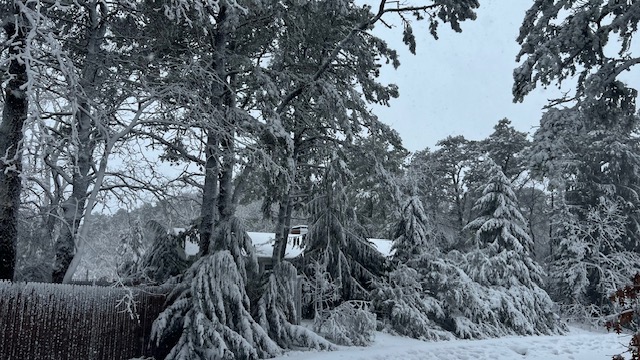
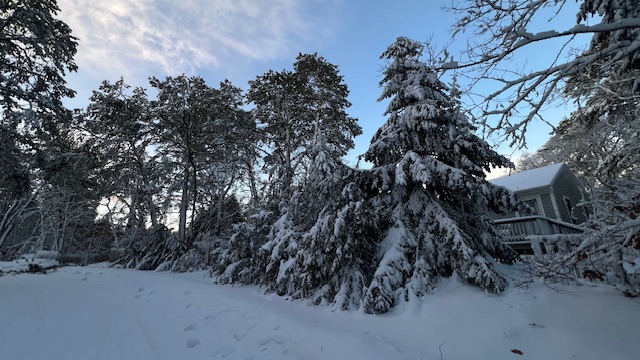

and Tom Janssen
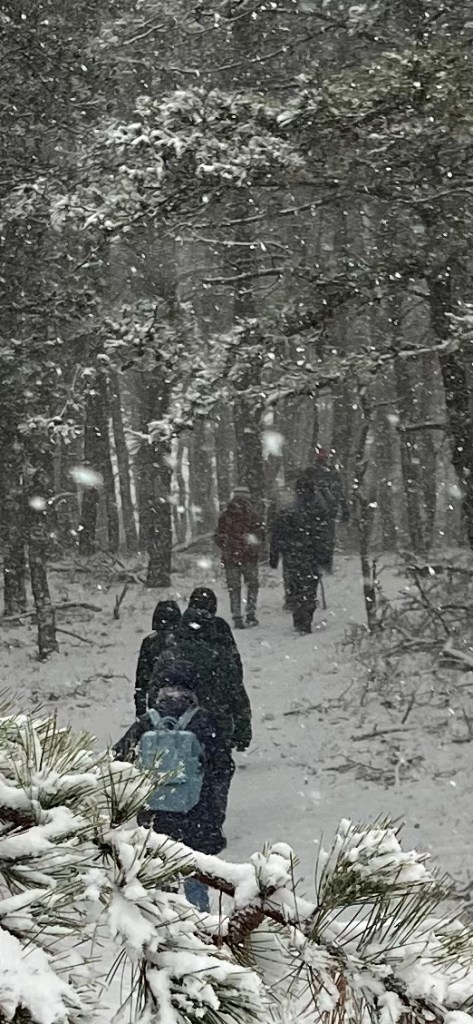
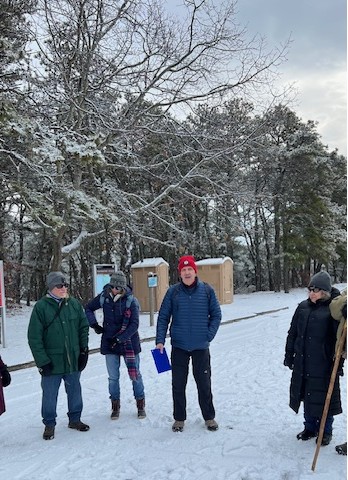
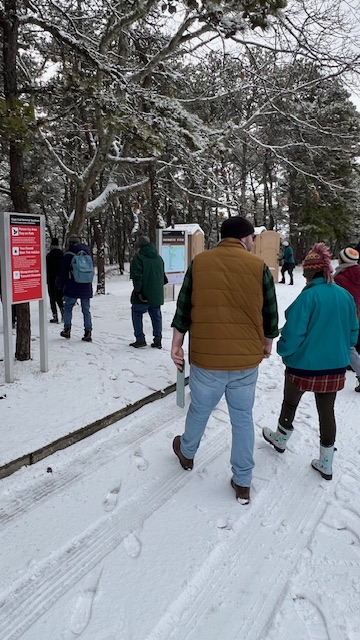
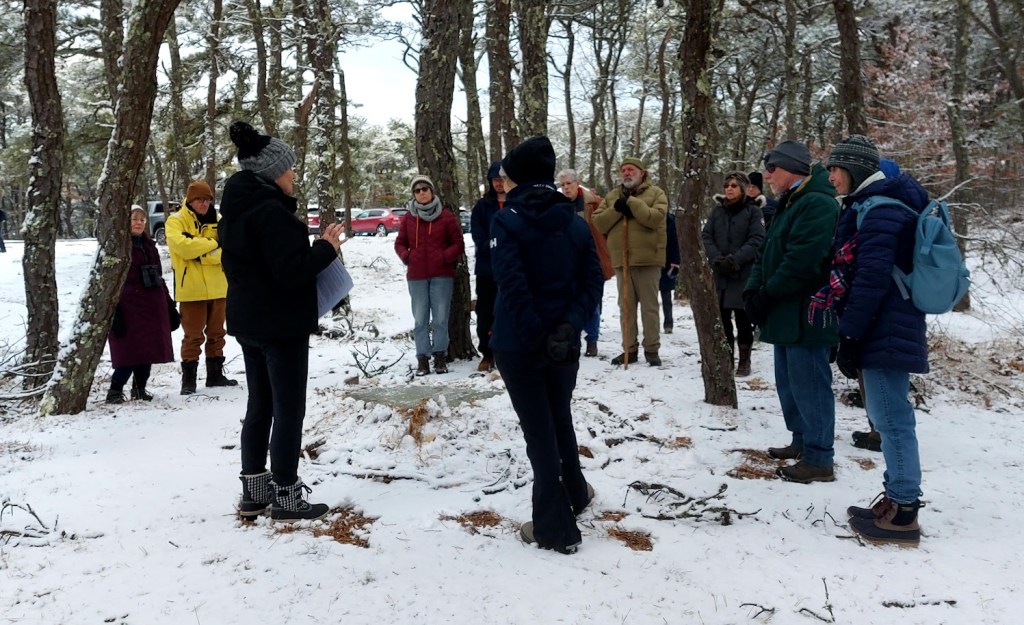
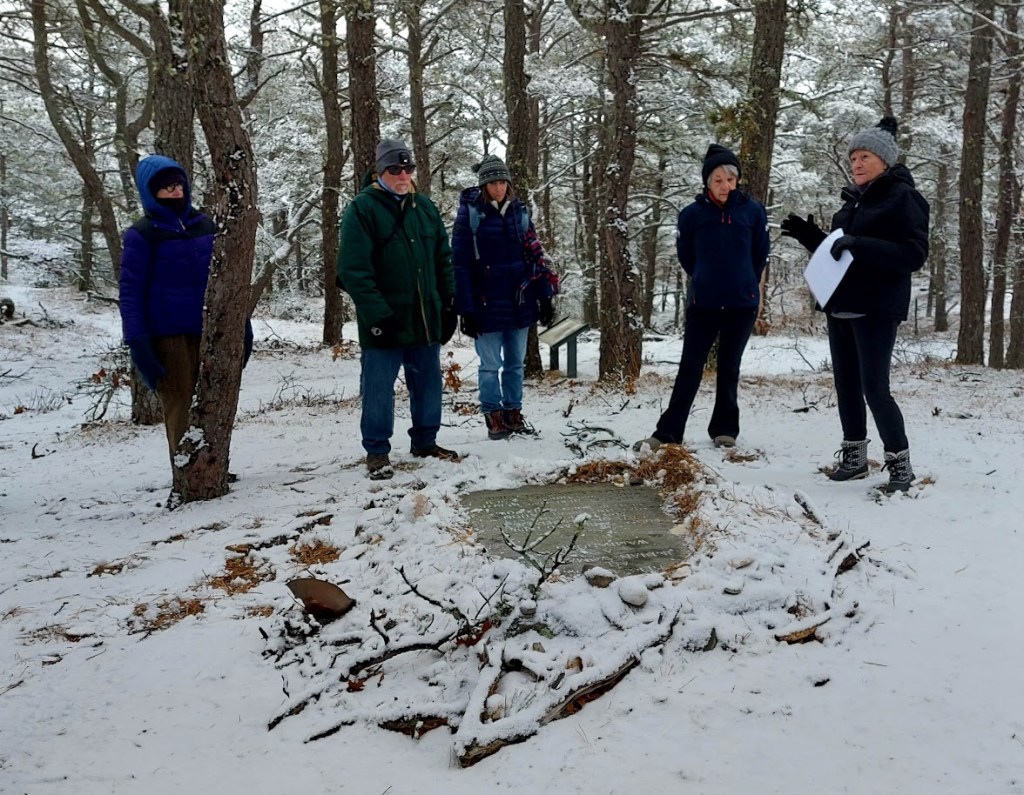
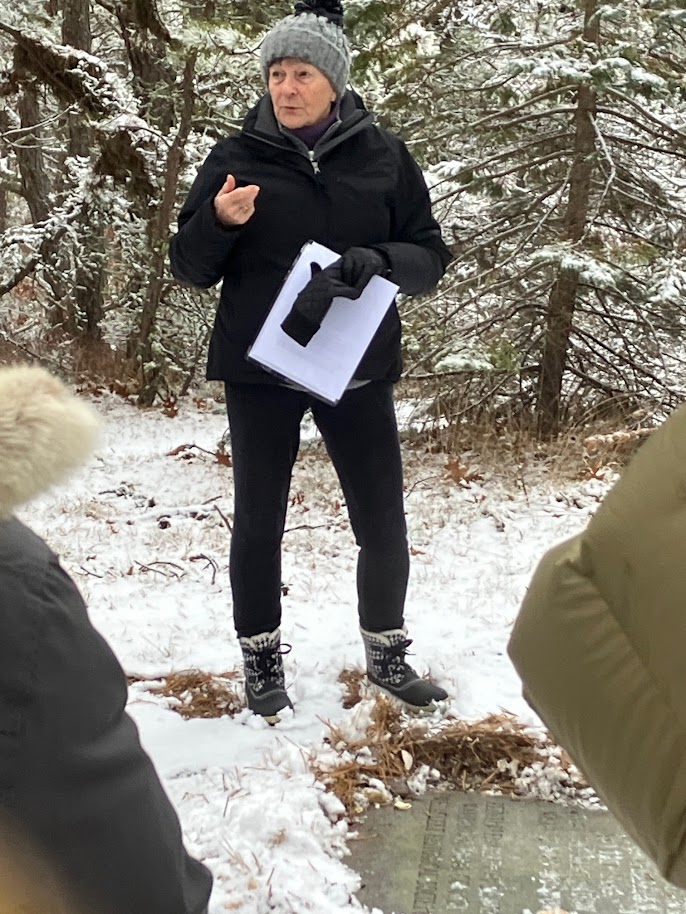
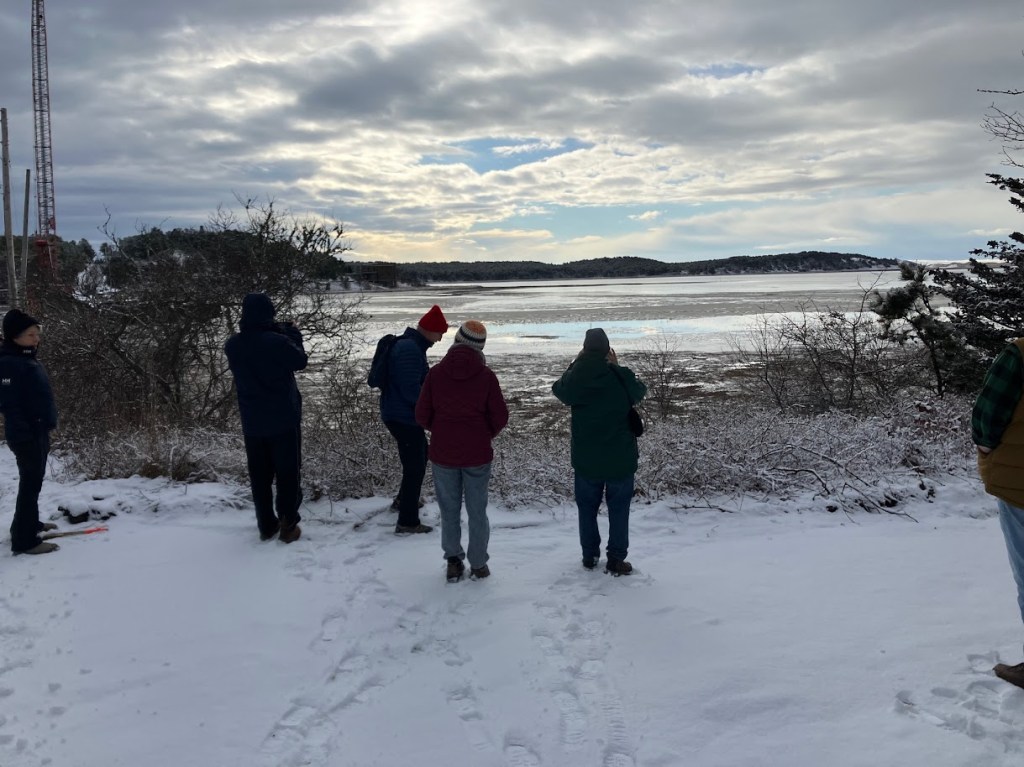

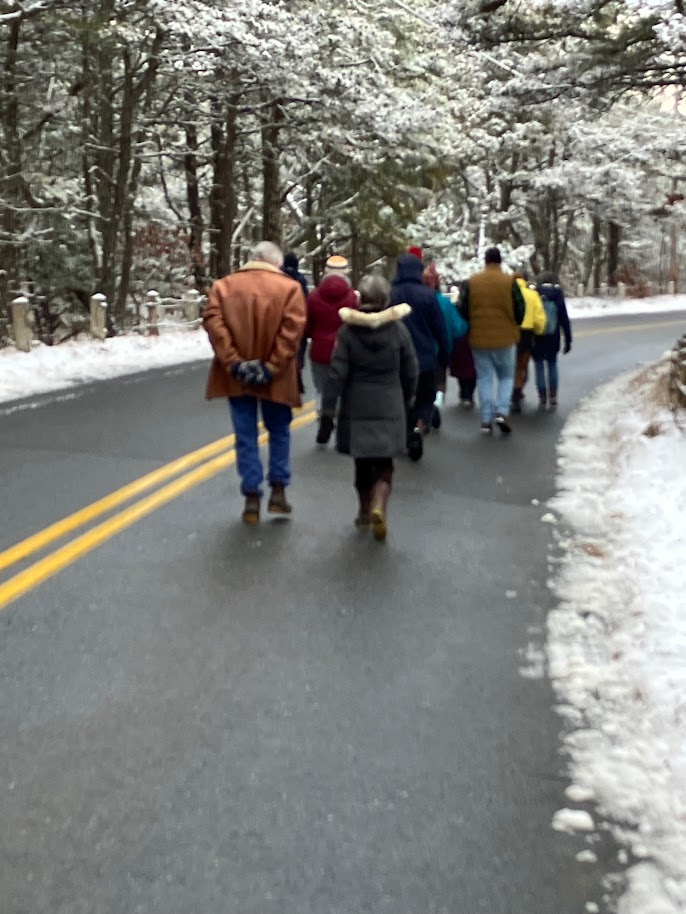


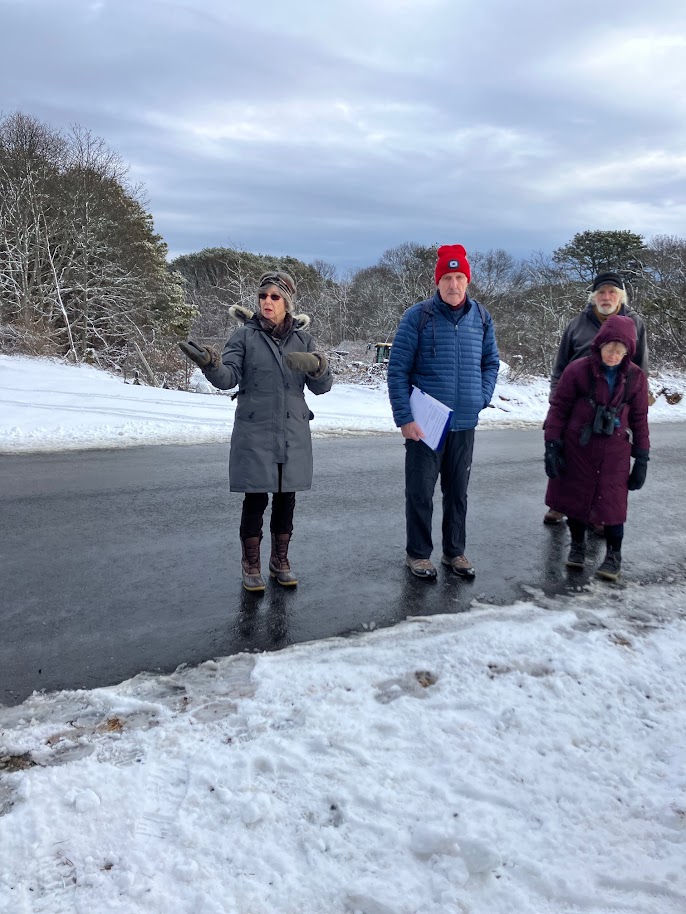

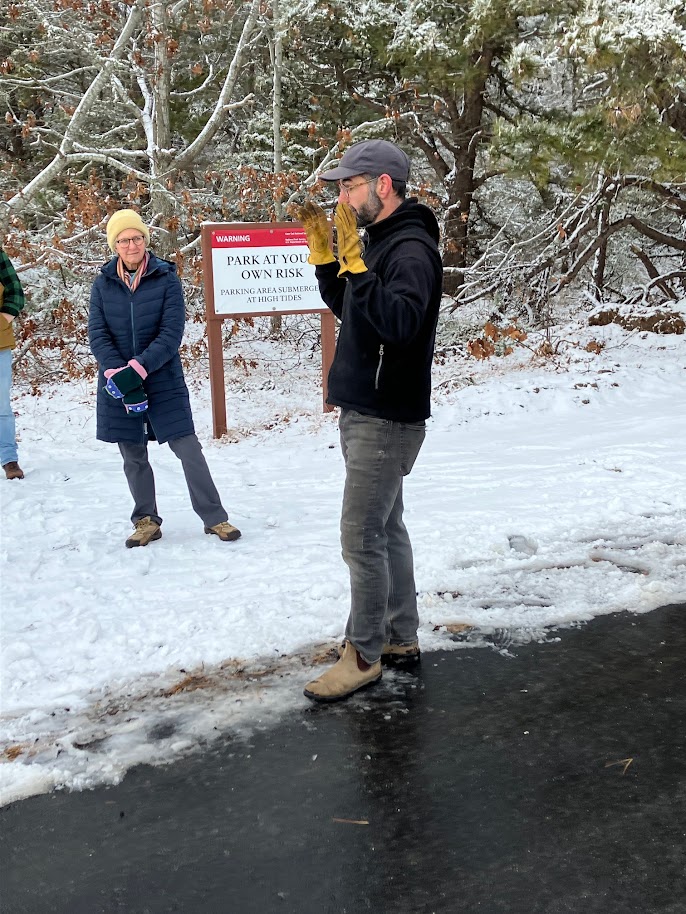

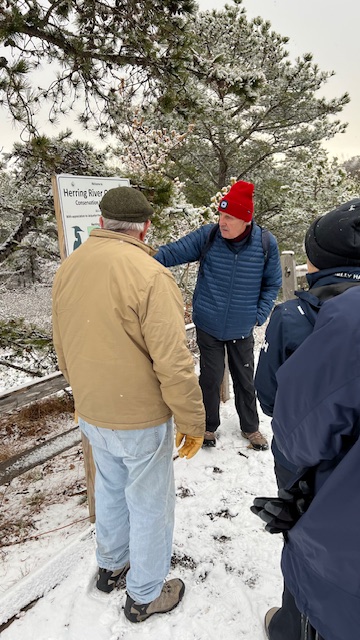
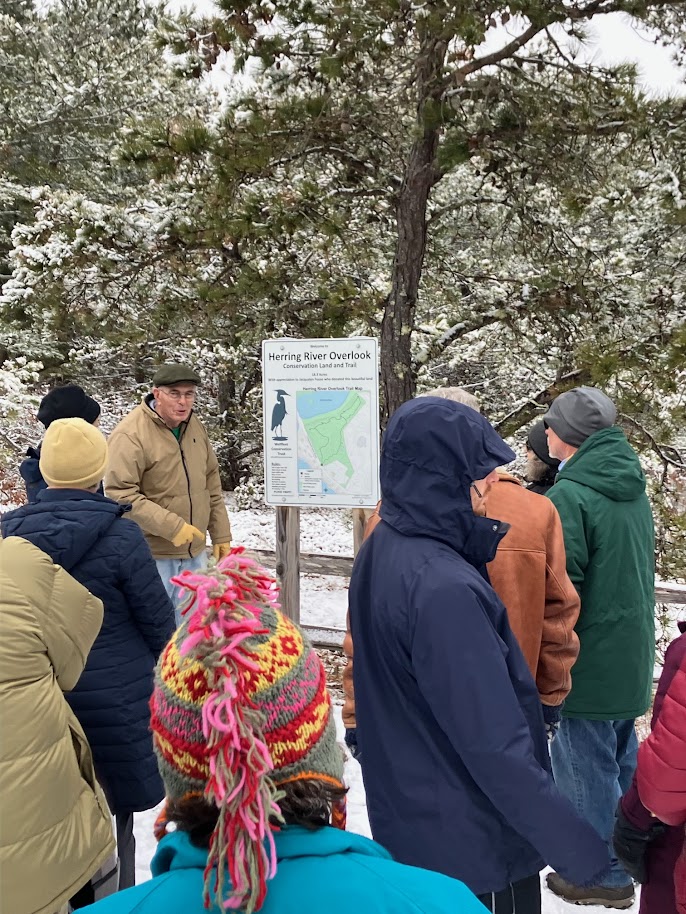
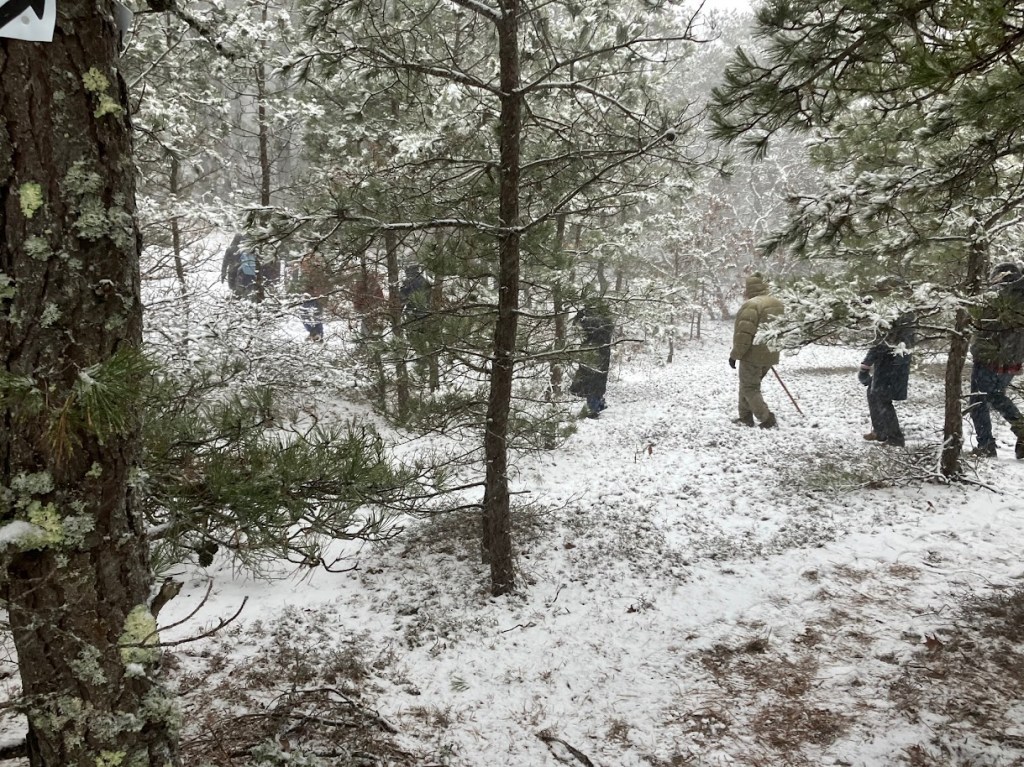

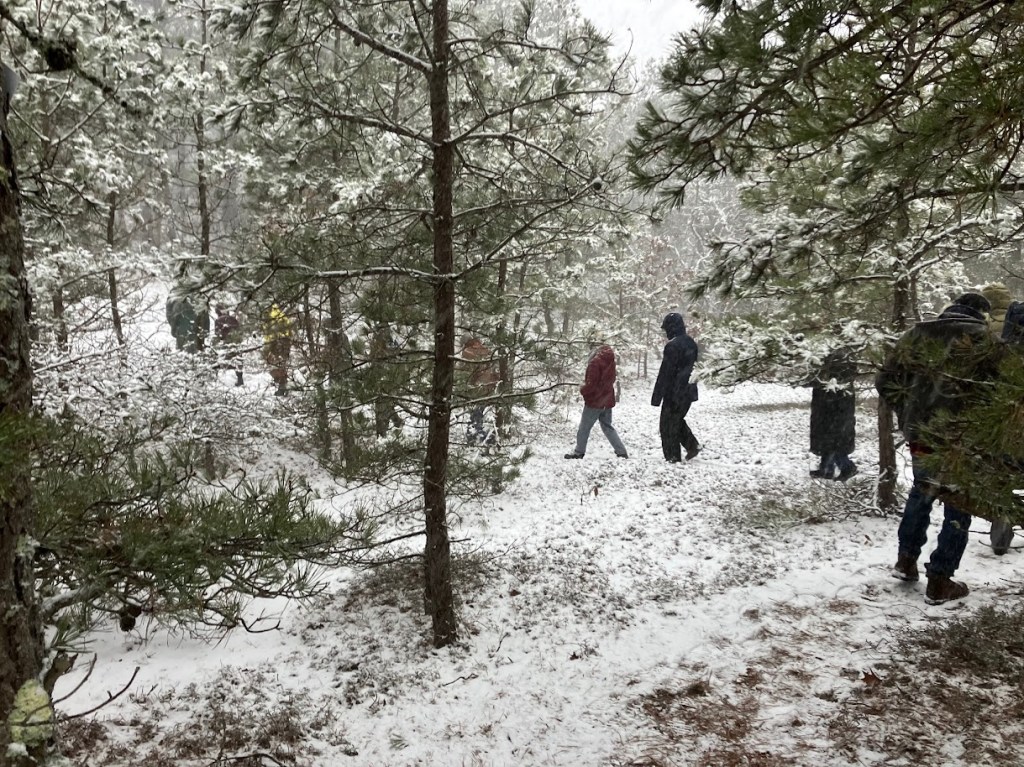
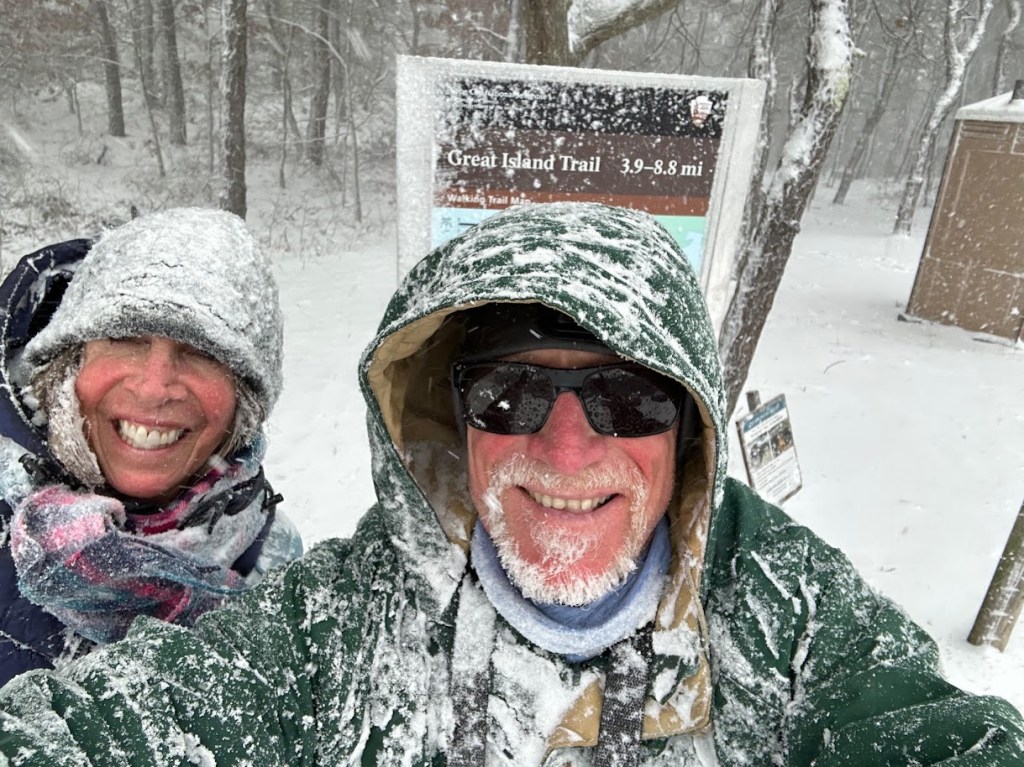
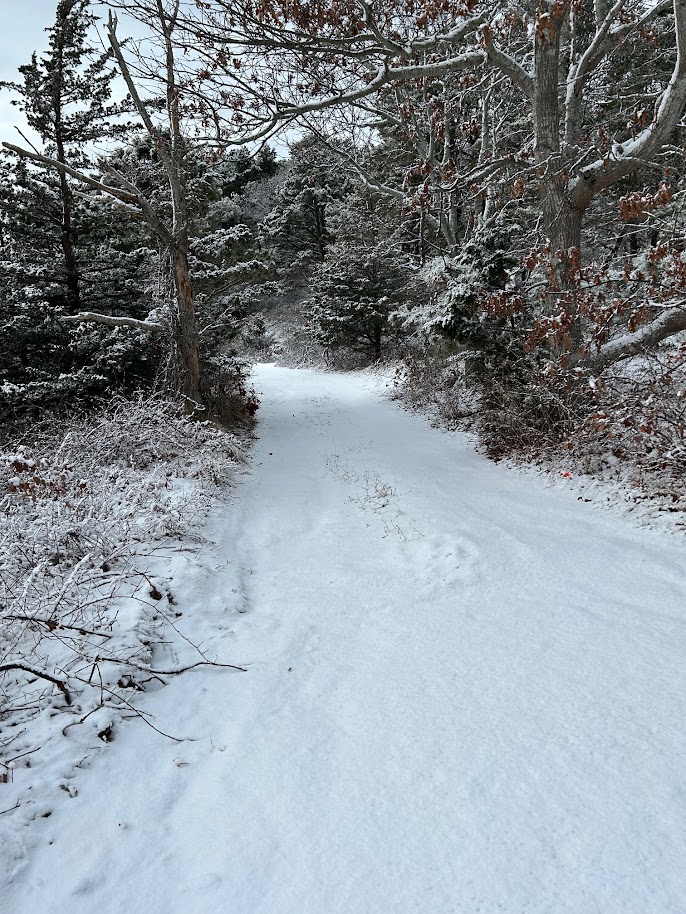
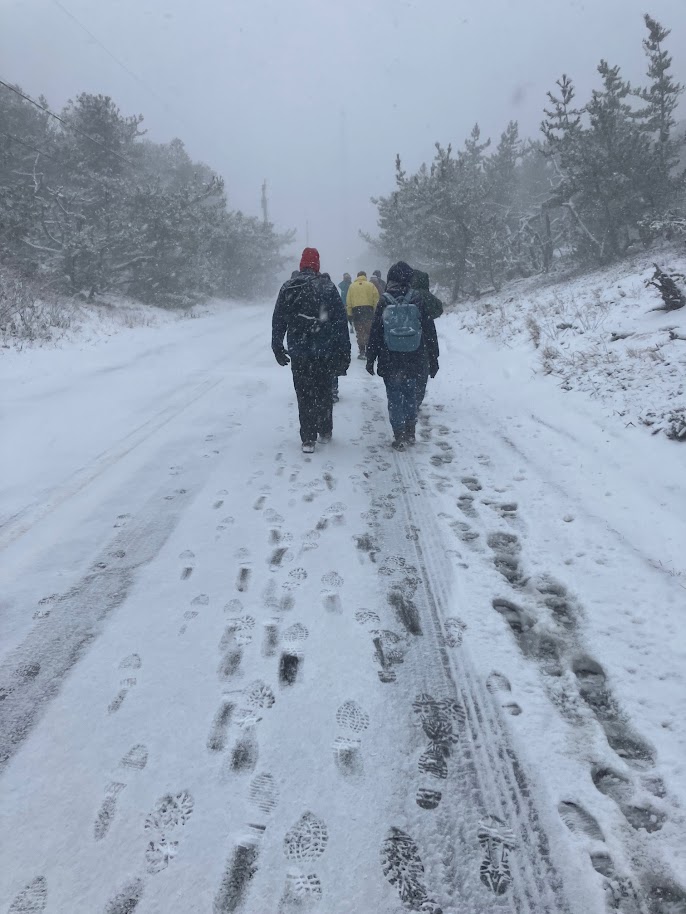

10:00 AM – The Gut to the Herring River Overlook
Herring River Overlook, Wellfleet
Hosts: Wellfleet Conservation Trust and Friends of Herring River (Wellfleet/Truro)
Join this First of January walk featuring Wellfleet Conservation Trust’s Herring River Overlook and the Herring River Restoration Project. The walk will include short talks on recent research of Native American land use in the area, geology of the area, an update on the restoration project, and the acquisition by the Wellfleet Conservation Trust of the beautiful land overlooking the river. The out and back 2-mile, 2-hour walk will be mostly on rolling dirt paths with a short section over the temporary walking bridge and on Chequessett Neck Road. Walking shoes or boots are recommended.
Free registration is limited to 20 people and will be on a first come/first served basis. Please email wct.annual.walk@gmail.com to enroll with the names of participants (maximum 4) and contact telephone numbers. Parking directions will be e-mailed to registrants.
The Barnstable Land Trust oversees first day walks for the entire Cape. To see what other walks might interest you go to https://blt.org/firstdayhikescapecod
Not one, but three, new members have joined the WCT Board of Trustees. Mark Boelhouwer, Thomas (Tom) Janssen, and Robert (Bob) Wagner were officially voted in as trustees at the Annual Meeting, held August 16, 2025. The following post presents their full E-interviews, which appear in condensed version in the latest issue of the Trust newsletter.
Mark Boelhouwer
My family has been involved with the WCT almost since its inception. When my father, Cornelius Boelhouwer passed in 1986, we could think of no better remembrance than setting up,a WCT fund in his name. It still exists today
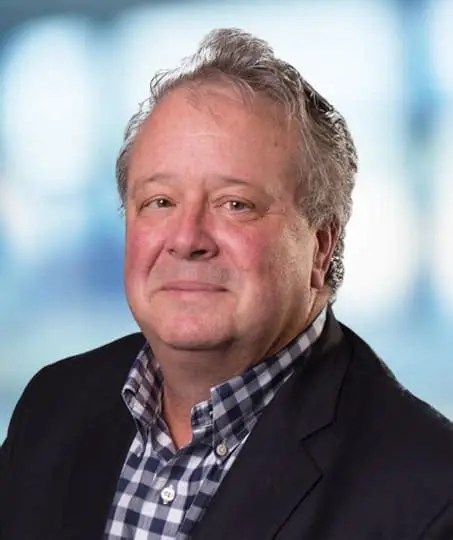
I have been coming to Wellfleet every year since 1962. My parents bought a place on Indian Neck in 1970 and I have had my own nearby since 2015. Most of my summer jobs throughout high school and college were in Wellfleet- the South Wellfleet General Store, Lima’s, the lighthouse. I love it in Wellfleet and look to retire here. I love the beaches and ponds especially and can think of no better day than one involving one of the ocean beaches followed by a swim in one of the ponds.
I have two daughters who love Wellfleet as much as I do and come as often as they can. I have spent my career in the elevator profession and still work at American Elevator Group. When not in Wellfleet, I reside in NYC .
Tom Janssen

I first visited Wellfleet as a teenager. I had a friend whose cousin owned a restaurant in town and he introduced me to the area. My memories are a jumble of Images, vistas, spectacular beaches, massive dunes, and mirror ponds that reflected all the colors of a sunny, fall day. I was hooked.
I arrived in New England in the mid ‘60’s as a freshman at Northeastern University. I came from New York and arrived in Boston having only known of the area from cousins who lived in Cambridge and other relatives on Cape Cod. They painted an image of the area in broad, strokes leaving my imagination to fill in the blanks. I was born in Queens, NY and expected the world to be crowded, noisy and filled with the aromas of lands far away. Boston was nothing like that. Streetlights and sidewalks were rolled up and tucked away at midnight. I learned to search for all the exciting, pastoral places waiting to be explored. From the Emerald Necklace, to Jamaica Pond and the Arboretum and back through the Mt Auburn Cemetery, I became a regular visitor. I love trees and find solace in their presence.
It is said that society only grows great when old men (and women) plant trees, knowing they will never sit in their shade. I believe that to be true.
After I was graduated from Northeastern, I moved to the Blue Ridge mountains in Virginia, near the West Virginia border where I learned to farm the land, grow orchards and raise and care for animals. I bought an old sugar farm with a well-worn log cabin that needed love and tender care. I carefully disassembled it and repaired the rotted logs with newly cut poplar trees. It caused great concern when felling those majestic guardians of the forest, but I learned how to be judicial when choosing the right tree. It helped the others to grow taller and more formidable. I felt justified.
We lived there for a few years after my daughter’s birth, but New England called and we headed back north. I returned to school and pursued graduate courses in Boston. After that, a job opened in a television station newsroom. I had interned there recently and was excited to be offered a position.
Fast forward 35 years and that internship led to a fulfilling career in journalism that afforded us a lifetime of memories and good times.
I had one job left to do. The final listing on my CV, the one project I had been waiting for. It wasn’t in journalism, not really, but it was in TV. I had been hired to help in the transition from an analog production to the exciting new world of digital transmission for a cable network station out of Charlotte, North Carolina. While it wasn’t the exciting, fast paced world of television news that I had spent my adult life living, it was the equally exciting, fast paced world of competitive auto racing. From NASCAR to Formula One we broadcast around the world with new programming and experimental technology. I loved it but after a number of years New England called again. This time it was Wellfleet. Full circle.
From those first days on the dunes as a teenager to present day trips to the dump we never lost the thrill or love of this town and all it offers.
From the early days of vacationing here in the 80’s to moving day in the 20 teens, Wellfleet was always the place we were going to hang our hats and never leave.
I have no desire to travel anymore because I’m living in the place I love the most. It’s like being on vacation all the time.
I’m excited to be part of the team at the Conservation Land Trust. It embodies all that I believe in when it comes to preserving the natural beauty of one of the world’s most treasured gems.
Bob Wagner
How did the Conservation Trust come to your attention?
Being professionally involved with the land trust community in Massachusetts, I had the opportunity to occasionally work with Mark Robinson at the Cape Cod Compact of Conservation Trusts, so I was aware of the growing land trust movement on the Cape. It didn’t then take long for us to find the Wellfleet Conservation Trust properties and trails upon our arrival in town. In fact, a recent acquisition of the trust’s is adjacent to our property.
What are your fondest Wellfleet memories?
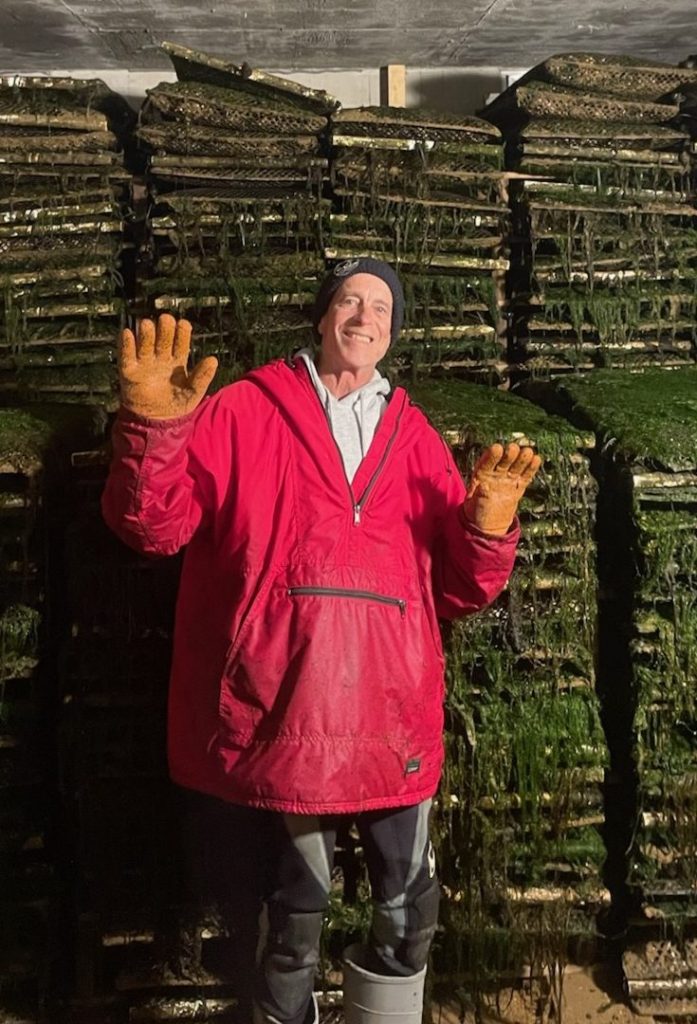
Oh, so, so many since 1994 – watching our kids grow up loving the beach and all that Wellfleet and the Cape offers, sunsets from the Duck Harbor ridge, beautiful low tides on the flats working with our oyster farmer friend, full moon rising kayak tours on Duck Creek, hikes with our dogs on Seashore trails, glassy surf sessions.
What would your perfect day in Wellfleet look like?
All of the above capped off by a bonfire BBQ on the beach!
What was your life like before or outside Wellfleet?
Growing up on Long Island, NY, I was acutely aware of the negative impacts of poorly planned and over development. This led me to pursue a natural resources planning graduate degree at the University of Vermont. Being in Vermont, I concentrated my field work on protecting farmland. After a stint with the Vermont Department of Agriculture where I helped with the development of a statewide strategy to promote farmland protection techniques and a few years on the personal staff of then-VT Congressional Member, Jim Jeffords, I joined the American Farmland Trust and opened their Northeastern Field Office in 1985. My work with the organization eventually involved participating in the passage and funding of state and local programs to protect farm and ranch lands across the country. I remained with AFT until I retired in 2016.
What was the most satisfying aspect of your work?
Meeting and working with farm and ranch families, their neighbors and advocates was an honor and highlight.
What other boards and concerns have you been a part of in Wellfleet?
I currently serve on the Wellfleet Housing Authority, the Local Housing Partnership and the Community Preservation Committee. I previously served on the Maurice’s Campground Planning Committee.
What is the most adventurous thing you have ever done?
With our younger daughter, I hiked the Salkantay Trek to Machu Picchu in 2017. I was then fortunate to follow this up with a tour of the Galapagos Islands.
Besides the blue heron, which is the WCT logo, are there other animals or birds you often observe?
My wife, Janet and I, are big fans of shore and marsh birds with the Great Blue Heron being one of our favorites.
Did anything famous conservationist writers/activists make an impact on the way you view nature?
The work of Ansel Adams and Georgia O’Keefe for sure.
WELCOME, MARK, TOM AND BOB!
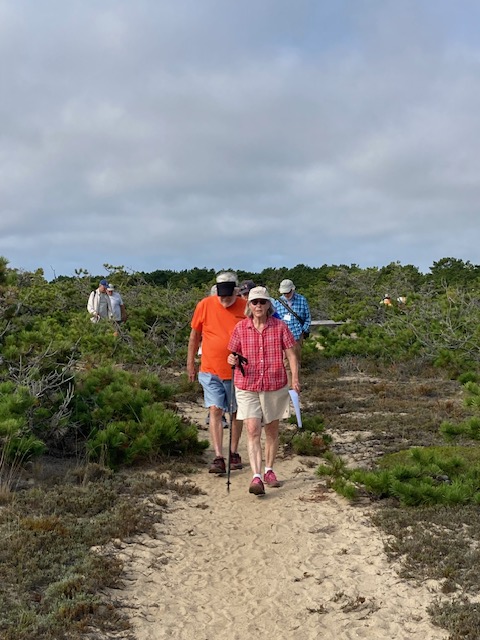
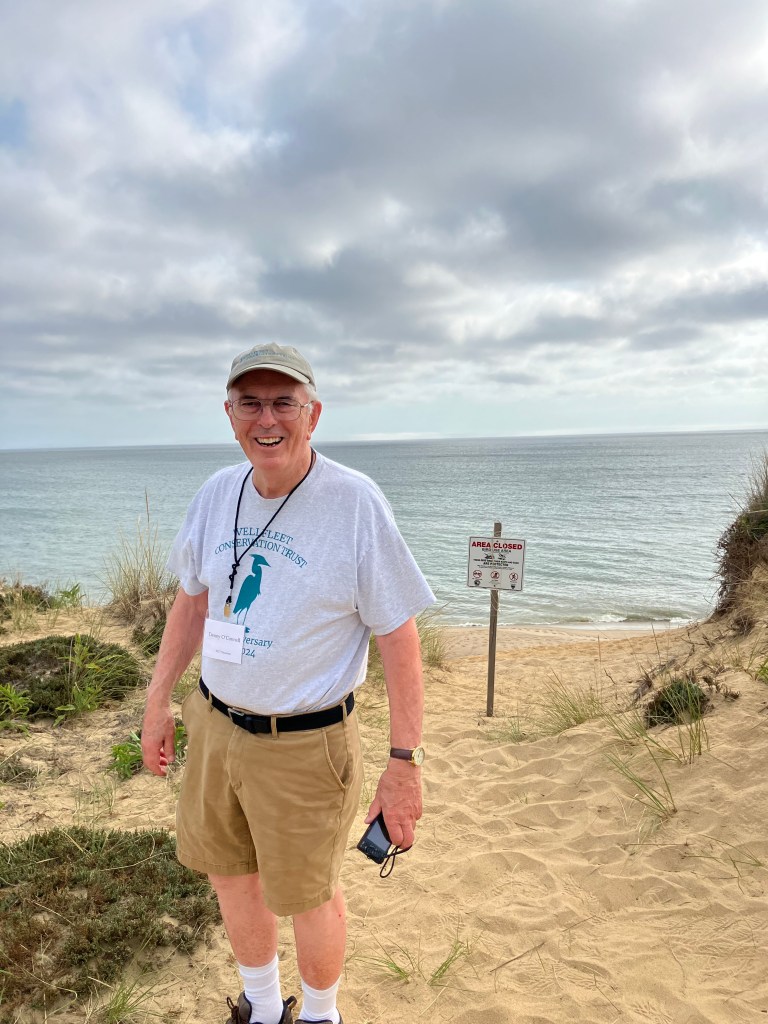
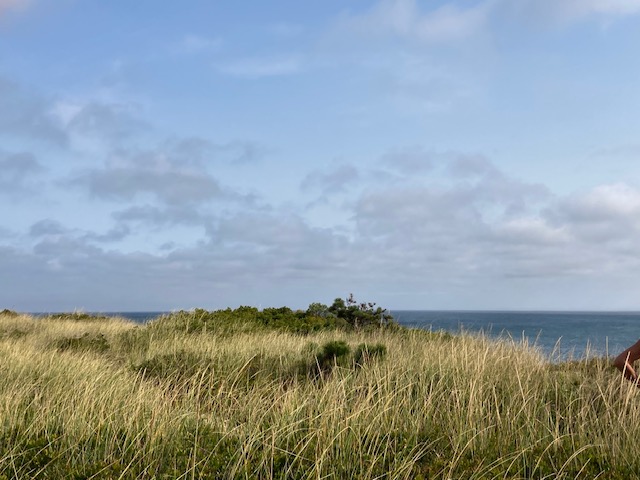
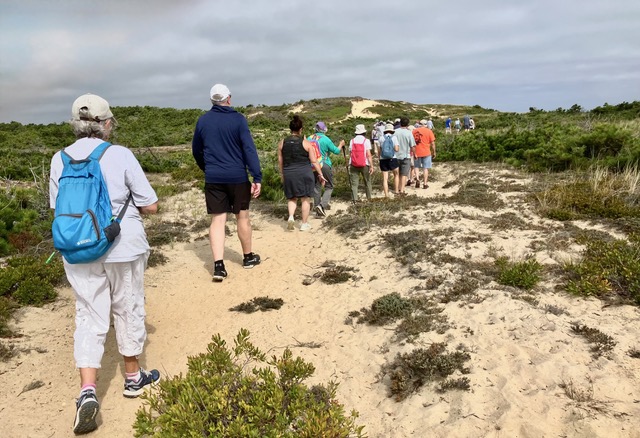
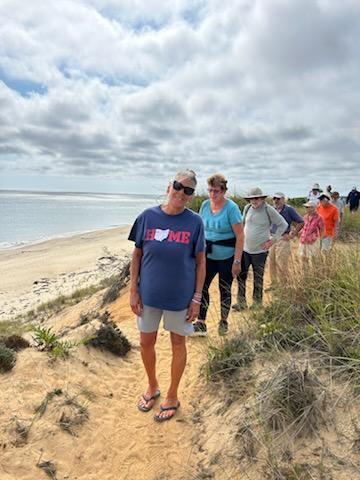
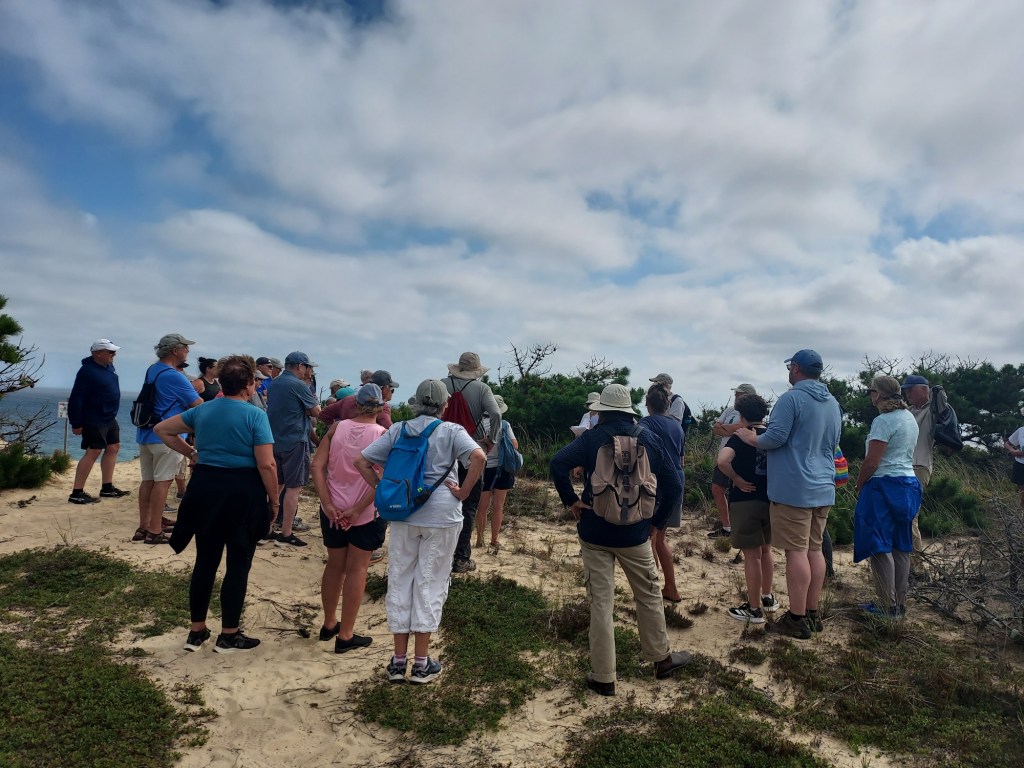
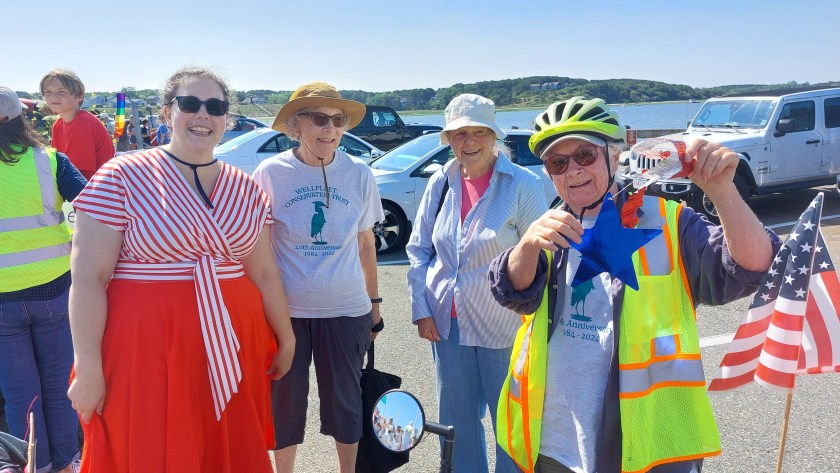
Our Annual Guided Walk set off from the Cape Cod National Seashore Headquarters in the Marconi area. Partly sunny skies and a breeze at our backs made walking easy for the thirty-seven walkers set out at 9 a.m. to a crossroad in the middle of the area. There President Denny O’Connell greeted the participants, and South Wellfleet historian Pam Tice gave a brief history of the creation of the Cape Coc National Seashore.
The walkers headed east through the Seashore’s recycling area, where pallets and old wood were stored. Advice to all was to keep walking. At the top of the high bluff above the ocean, Denny O’Connell discussed beach erosion, and Bill Iacuessa distributed photos of the Camp Wellfleet’s unmanned target planes and told how the military trainees shot at them until the sock trailing behind or the drone plane itself went down.
From there, the walk took a turn to the north and followed a path along the top of the bluff. Dwight Estey, historian of the Wellfleet Museum and Historical Society, outlined the area of notable shipwrecks including the end of the Castagna.
At the end of the path, Alice Iacuessa gave information about the famous Marconi Station a little further to the north. She concluded the history of the Marconi area with more history of Camp Wellfleet during WWII and through the 1950’s and 60’s.
The walkers turned west and crossed the paved road leading to the Marconi towers site and entered a trail that led them to a portion of the Old King’s Highway. Bill Iacuessa gave the final presentation on the history of Old King’s Highway, which ran from Sandwich to Provincetown. This section brought to everyone back to the rear of the headquarters building, completing a full circle from where they began.
Back in the parking lot, many tired, but happy, walkers commented that this walk was one of the best walks ever.






Click here to view more pictures https://photos.app.goo.gl/qAMFs4chxQ2pbwTv7



How did you decide to move from Virginia to Wellfleet?
We have owned a summer house in Wellfleet since 2007 and lived on a farm in the Blue Ridge Mountains of Virginia. In 2023 we decided it was time to downsize and Wellfleet became our home.
Tell us about your conservation efforts in the Blue Ridge Mountains.
When we renovated our old farm house we discovered it was built around a prerevolutionary log cabin which we restored. We placed the farm in a conservation easement and over the years we removed invasive species, promoted wild flowers and native plants, created trails and conducted wildlife surveys with the Smithsonian Institute. As a Virgina Master Naturalist, I volunteered to preserve Virginia’s natural habitat including as a National Park volunteer to protect rare native plants in the Shenandoah National Park.
What is your educational and professional background?
I am an economist/econometrician by training. I worked for 27 years with the International Monetary Fund (IMF) in Washington DC and before that in London at the Bank of England and Treasury, and in Basel Switzerland, specializing in finance. I now teach on the financial effects of climate change and bio diversity loss.
Who and/or what got you interested in the Wellfleet Conservation Trust?
My wife Pat and I are gradually finding our way in the Wellfleet community and we were looking for volunteer opportunities. I thought the WCT would be a good fit and I am very appreciative to have been selected as a trustee.
What are your interests and experiences that you bring to the W.C.T.?
What I learnt in Virginia is that conservation is not just a question of protecting land. Stewardship of the land and education is a vital part of conservation. I hope my background will allow me to contribute on that.
What are some early influences that inspired your interest in nature/conservation?
I grew up in Northern Ireland surrounded by open country side. My family were from farming stock. It was part of growing up to appreciate and spend time in nature.
What Cape and Wellfleet activities and places do you especially enjoy and why?
Swimming in Great Pond and sailing my catboat for the peace and tranquility.
What Wellfleet or Cape organizations do you belong to?
We are members of Mass Audubon, the Friends of the Cape Cod National Seashore and Nauset Newcomers.
Tell us about your family members.
My wife Pat of 48 years is an avid gardener. My eldest daughter lives in Brooklyn, my second daughter lives in Switzerland with our three grand-children and our son lives in Scotland. Spending time on our farm in Virginia instilled them with a love of nature. Our son is a marine biologist.
What is something surprising about you that not too many people know?
I am a fan of minimalist music.
Bonus question – What is something else you would like to say to our readers?
The WCT will only be able to conservation a relatively small amount of land. To preserve our habitat, the conservation effort must be much bigger and depends on you. Start by creating a home environment to attract the birds, butterflies and bees — plant natives and remove invasives.
Report by Bill Iacuessa.
Thirty-eight participants thoroughly enjoyed the First Day Walk 2024, The Gut to the Herring River Overlook. Bright skies greeted the walkers as they arrived at the National Seashore Great Island parking lot. Bill Iacuessa, Vice-President of the Wellfleet Conservation Trust (WCT), welcomed the participants and described the walk saying that the Trust and the Friends of the Herring River (FHR) were delighted at the turnout. Dale Rheault, Chair of the Friends of the Herring River, was introduced, and spoke briefly about the role of the FHR. Speakers Alice Iacuessa and John Portnoy were introduced. Alice and John, are former members of the FHR board and along with Barbara Brennessel, co-authors of Tidal Waters, A History of Wellfleet’s Herring River.
The walk began by heading down the hill to the beach near the mouth of the Herring River and the Gut. Bill gave a short orientation, and then Alice talked about the recent archeological research on Native American and English colonial use of Great Island. The walk proceeded down the beach a bit further toward the dike where John talked about the history of the dike and benefits of removing it which will restore the salt marsh incrementally over a number of years.
The walk proceeded up to Chequessett Neck Road and crossed over the dike. Although not open yet, the completed temporary bridge was in full view of the walkers. Continuing along the participants reached the parking lot of the Herring River Overlook Conservation Area where Denny O’Connell, President of WCT met them. Denny described the acquisition of the 18-acre parcel, the significance of its location, and the creation of the one-mile trail. The walk continued with short stops where Denny pointing out features, the most significant being the views of the Herring River from above.
The walkers retraced their steps. Just before the parking lot, at the gravesite of a Native American woman, Alice talked about how and why it was placed at this location. The two-mile, two-hour walk concluded at noon.
Photos, taken by Dwight Estey, board member and former president of the Wellfleet Historical Society and Museum, can be viewed at WCT-FHR – First Day Walk – 2024.
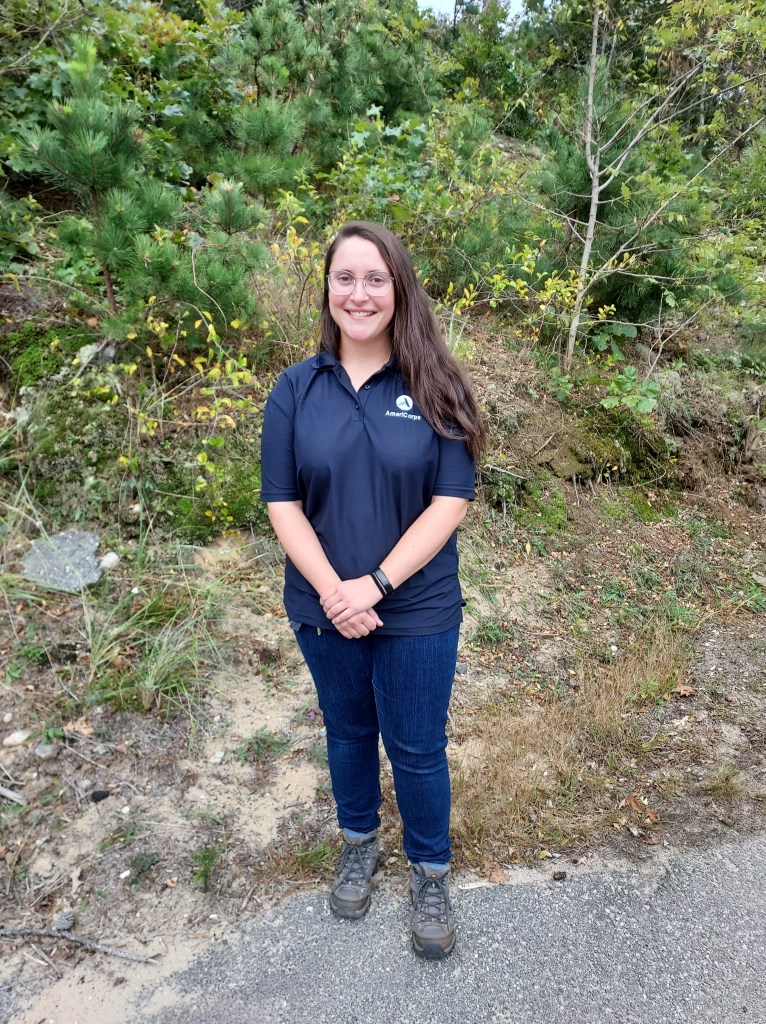
The Trust is delighted to introduce you to this year’s AmeriCorps member, Emily Gilot. She is assigned to WCT on Tuesdays, spends two days assisting the Provincetown Conservation Commission, and the rest of the time on projects elsewhere on the Cape. Here is the transcript of the e-interview we conducted with Emily to get to know a little bit about her as she begins her time here.
Being a part of AmeriCorps 25th year seems very special. Any more thoughts on this?
It is special and I did not realize this when I started the AmeriCorps Cape Cod program. However, each service project I have done, each Cape Cod resident I have met in the last 7 weeks, the more I feel how special it is. There are signs all over the Cape of AmeriCorps impacts, from marsh boardwalks still standing, to elementary school gardens that rely on AmeriCorps members to prepare for spring planting. The alumni community on the Cape is fantastic and it has been wonderful getting to meet and serve with many of them the last few weeks. Doing so has instilled in me a sense of pride in the service I am doing here on the Cape, that what I am doing is having an impact and will add to the program’s legacy.
What were some of the best parts of orientation?
During orientation we got a taste of everything we might get to do doing group service projects. It was a mix of in the field, such as learning how to use power tools for trail maintenance, and in the office, with lectures on Cape History, First Aid, and the County’s Sheltering System. My favorite trainings involved being on the water. We went on a marine nature walk with a scientist from the Center for Coastal Studies and received an introduction to shellfish propagation while digging up quahogs with Chatham Shellfish Department.
What are your first impressions of Wellfleet?
I had never been on the Outer Cape prior to this fall and I was a little surprised at the ruralness of the area. That being said, I much prefer it to the hustle & bustle of the more developed parts of the Cape. One of the major benefits I am finding to living in the Wellfleet house is the limited light pollution, which is a testament to the community, the proximity to the National Seashore, and the more rural nature of the area. I also love that I can see the sun rise and set over the water in the same day, going from one side of town to the other.
What assignments will you be doing with the Wellfleet Conservation Trust?
While serving with WCT, I will be assisting with trail maintenance and mapping. I will also be assisting with organizing and updating various documentation for all the properties the Trust owns and/or works with
What WCT properties have you viewed so far?
Denny[O’Connell] and Michael [Fisher] have taken me to a number of WCT properties, including Box Turtle Woods and Herring River Overlook. I love the combination of woods and marsh on many of WCT’s properties and I am excited to explore them more over the coming months. In Wellfleet, I have spent the most time at the town pier and beach. I love looking for different animals and going beach combing. Watching the seals feed in the harbor has been awesome and, while sad at times, I have been really enjoying looking for Mola Mola (Sunfish).
Did you experience Wellfleet Oysterfest?
I had a great time at Oysterfest. To my understanding, it’s oysters that Wellfleet is known for. It was wonderful to see how the community supports the shellfish industry and vice a versa. I volunteered Sunday morning, assisting with the recycling stations, which was a great opportunity to assist the Wellfleet Oyster Alliance with their public outreach. I also ended up staying for the entire shucking contest that afternoon and wow. Great personalities up on stage, the crowd was so into it, and the lobster auction was so wholesome. I did try fried oysters for the first time and the jury is still out on whether I like them.
Tell us a little bit about your background and where you grew up.
I am originally from along the SE’rn Connecticut shoreline and am part of a family of 4, plus three cats I miss dearly.
Are you looking forward to winter on Cape Cod?
Oddly enough, I am. Growing up along the Connecticut shoreline, I am no stranger to a New England winter. My family has always gone on beach walks in the winter time so I expect to do the same here. The ocean keeps us in Connecticut and the Cape a little warmer than the rest of the region and I am looking forward to having the area to myself for a few months. As a degreed weather nerd, I am interested to see how we fair with Nor’easters this winter and am excited to track the systems then watch the waves at the local beaches when they do come through.
Did you have teachers or courses that fostered your interest in science/environment/nature?
My high school was special, from the enthusiastic and compassionate teachers to the e marine-science focus it had. I got to take maritime history and learn about a variety of marine science topics from biology, to fisheries management, aquaculture, safe boating, physical oceanography, just to name a few. I eventually chose atmospheric science (meteorology) to study in college and had some amazing professors in my department. My favorite classes in college were some of the intro classes to my major, where a lot of basic weather questions were answered (why is the sky blue, what causes a thunderstorm, etc.). In terms of more advanced classes, I really enjoyed synoptic meteorology which is the study of large scale features (highs, lows, fronts, etc.) and tropical meteorology (hurricanes and also phenomena like El Niño). Outside of my major, I loved classes I could connect to weather such as ‘Intro to Emergency Management’ and ‘The Role of Hazard Mitigation in Community Planning’.
Who or what have given you inspiration for conservation of the natural world?
My interest in conservation definitely can be traced back to growing up where I did. I was constantly exposed to conservation efforts in the area, from walks at the local nature center to exploring the local aquarium. I also spent a lot of time out on and along the water, visiting my grandfather’s beach cottage year-round. Having developed deep connections with my local landscape throughout my childhood, the desire to assist conservation efforts just feels second nature.
Tell us about an accomplishment that we wouldn’t know about.
Something I am really proud of is earning my 25-Ton Inland Master Captain license this past spring. An instructor at my previous AmeriCorps position taught the classes. I was able to apply my sea time from working with them and from boating with my family to qualify for the license. I know I want to work, if not live, near the coast and I am looking forward to employing this license to achieve that goal. Additionally, I worked for a company that forecasted for and routed private and commercial vessels all around the world for two years after graduation. I want to see, maybe one day by boat, at least some of the places my clients travelled and this license could help me do that
Welcome aboard, Captain Emily!

 Wellfleet Conservation Trust
You must be logged in to post a comment.